
 By
By 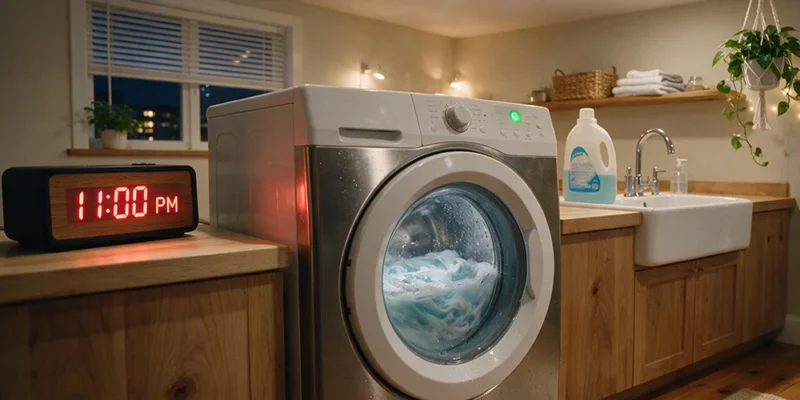
Key Takeaways
- Master the Clock: Pinpointing low-demand periods can unlock significantly cheaper energy rates without changing your lifestyle.
- Set and Forget: Leverage the built-in smart timers on your modern appliances to handle chores while you sleep or work.
- Small Shifts, Big Gains: Minor adjustments to your daily routine stack up to massive annual savings on your utility statements.
Introduction
Let’s face it: watching your monthly utility bill climb can be incredibly frustrating, especially when it feels like you’re already doing everything you can to save. You’ve switched to LEDs and you’re diligent about turning off lights, yet the numbers on that statement never seem to budge as much as you’d like. What if the secret to a lower bill wasn’t about using less power, but simply using it more wisely? By mastering the art of timing, you can slash your expenses without sacrificing an ounce of your daily comfort. It all starts with a clever concept known as off-peak electricity. Think of it like a “happy hour” for your home appliances. When you strategically time your most energy-hungry tasks to coincide with these periods of lower demand, you’re not just being green-you’re being financially savvy. This guide will show you exactly how to navigate the energy market like a pro, turning your standard household chores into a powerful tool for savings. It’s a simple, stress-free approach that keeps your lifestyle intact while keeping your hard-earned money where it belongs: in your pocket.
The Market Demand Patterns
The energy grid is a living, breathing entity that reacts to the collective habits of millions. Just like traffic on a highway, there are times when the grid is congested and times when it’s wide open. During high-traffic times, the cost of generating and distributing electricity spikes to keep up with the surge. To stay ahead, you need to identify what are the peak hours for electricity in your region. Usually, these peak periods hit when everyone is simultaneously cooking dinner, running the AC, and catching up on laundry. By understanding these rhythms, you can choose to “drive” on the grid when the lanes are clear and the rates are low. Below is a quick comparison of how typical behaviors impact the grid and your wallet:
| Activity Level | Typical Time | Impact on Bill |
| High Demand (Peak) | 10:00 AM – 8:00 PM | Premium Rates Apply |
| Low Demand (Off-Peak) | 11:00 PM – 7:00 AM | Significant Savings |
Strategic Appliance Management
Your heavy-duty appliances are the real “budget-busters” if used at the wrong time. To really see a difference in your monthly statement, you need a game plan for the big three: the washing machine, the dishwasher, and the dryer. Instead of tossing a load in the moment you get home from work-the height of peak demand-consider shifting these tasks to late evening or early morning. Most modern machines come equipped with delay start timers that do the thinking for you. Just load them up, set the delay, and let them run while the rates are low. Here is how to prioritize your appliance use:
- Laundry: Run full loads late at night to maximize every cent spent on heating water.
- Dishwashing: Set your dishwasher to start after midnight when the household is asleep.
- Charging: Plug in your EVs, e-bikes, and heavy power banks during off-peak windows.
This simple shift requires zero physical effort and pays off every single month. You still get the convenience of a clean home, but you’re no longer paying a premium for it.
Common Questions
1. Does running appliances at night actually save money?
Yes, if you are on a “Time-of-Use” plan, electricity prices are significantly lower during off-peak hours. Shifting your usage can cut the cost of running those appliances by a noticeable margin.
2. Is it safe to leave my dishwasher or washing machine on while I sleep?
Modern appliances are designed with safety features for unattended operation. However, it is always recommended to ensure your lint filters are clean and the appliances are well-maintained for peace of mind.
3. How do I know when my specific peak hours are?
Peak hours can vary by provider, but they typically align with standard business and evening hours. Checking your latest bill or your provider’s website will give you the exact schedule for your plan.
Cooling Your Home Efficiently
In our tropical heat, Air Conditioning (AC) isn’t a luxury; it’s a necessity. But it’s also the biggest drain on your electricity budget. Managing your cooling doesn’t mean suffering in the heat-it means being tactical. By knowing what are the peak hours for electricity, you can “pre-cool” your living spaces. Run the AC at a lower temperature during off-peak morning hours to chill the walls and furniture, then raise the thermostat by a few degrees during the peak afternoon heat. This prevents your unit from working overtime when power is most expensive. Try these cooling hacks to keep costs down:
- Seal the Gaps: Use draft stoppers to keep the cool air from escaping under doors.
- Curtain Control: Keep blinds and blackout curtains closed during the day to block solar heat.
- Fan Support: Use ceiling or standing fans to circulate air, allowing you to set the AC 2°C higher.
Maintaining an efficient home cooling system ensures you stay comfortable while your utility bill remains manageable.
The Long-term Benefits of Timing
Shifting your perspective on energy usage isn’t just about the immediate savings-it’s about developing a more mindful approach to all your household resources. When you start paying attention to when you use power, you naturally become more aware of your general spending habits. It’s a cascading effect that leads to a healthier household budget and a smaller environmental footprint. The future of energy is smart and automated. As smart home technology becomes the standard, devices like smart plugs and integrated hubs will do the heavy lifting for you, automatically switching off non-essential gadgets during peak windows. By adopting these habits now, you’re future-proofing your home and ensuring that you’re always getting the best possible value for your money. It’s about working smarter, empowering yourself with data, and taking charge of your financial well-being through simple, sustainable choices.
At the end of the day, lowering your monthly expenses doesn’t have to feel like a chore or a compromise. It isn’t about sitting in the dark or enduring the heat; it’s about being a savvy consumer who knows how to navigate the market. By understanding the ebb and flow of demand and leaning into off-peak electricity, you can reclaim control over your utility costs. Start small-move your next load of laundry to 11:00 PM and see how effortless it feels. Once these habits are locked in, you’ll enjoy the same level of comfort while watching your savings grow month after month. The power is quite literally in your hands.
Contact Keppel Electric to find out more about our flexible plans and how we can help you optimise your home’s energy consumption.










Comments