
 By
By 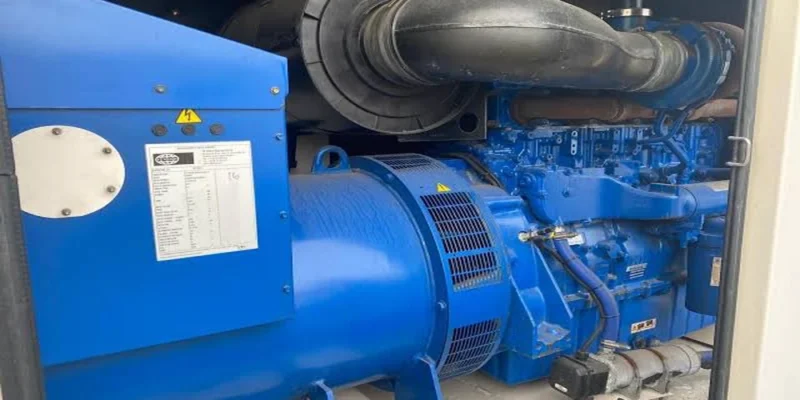
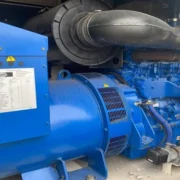
Not every 500 kVA generator looks the same. Some come in a canopy enclosure. Others come containerised. The difference isn’t just cosmetic. It changes how the unit gets used on site.
A 500kva generator sits right at the point where canopy and containerised options overlap. This is actually the largest size still available in the simpler canopy style. Anything bigger typically moves into a containerised build instead.
What canopy actually means in practice
A canopy generator sits in an open steel enclosure. It’s simpler. It’s easier to move with standard equipment.
Forklift pockets and a lifting beam make loading fast. This format suits sites that need to move the unit occasionally, or that don’t need extra weatherproofing beyond the standard build.
What containerised adds for tougher sites
A containerised unit sits inside a fully enclosed steel box. It handles harsher weather better. It also offers more protection for sites with security concerns, or sites near the coast, where salt air causes faster corrosion.
The tradeoff is size and weight. A containerised unit needs more space and heavier lifting equipment to move.
A quick comparison at this size
| Factor | Canopy | Containerised |
|---|---|---|
| Mobility | Easier, lighter, forklift friendly | Heavier, needs bigger lifting gear |
| Weather protection | Good for most sites | Better for coastal or extreme sites |
| Security | Basic enclosure | Fully enclosed, harder to access |
| Typical use | Construction, planned projects | Offshore, remote, long-term sites |
Which one actually fits your site
If the unit needs to move between job phases, canopy usually wins. If it’s staying in one place for years, exposed to harsh weather, containerised earns its higher cost.
Coastal sites, offshore platforms, and remote mining operations lean containerised. Construction sites and planned outages usually stick with canopy.
The specs stay similar either way
Fuel capacity, output, and running hours don’t change much between the two formats at this size. Expect close to 1400 litres of fuel capacity.
Expect around 505 kVA of output at full load. The enclosure changes how the power gets protected and moved. It doesn’t change how much power you actually get.
A real example makes this concrete
Picture two projects. One is a six-month construction job downtown, moving between phases every few weeks. The other is a remote mine site expected to run for five years straight.
The construction job almost certainly wants canopy, since it’s lighter and easier to reposition. The mine site is a much stronger case for containerised, given the years of exposure and the difficulty of accessing the site at all.
Price differs more than people expect
Containerised units generally cost more to rent than canopy models at the same power rating. That extra cost comes from the heavier build, the added protection, and the equipment needed to move it. For a short job, that extra cost rarely pays for itself.
Ask your provider which format actually fits
A good rental provider won’t just push whichever unit sits closest in the yard. They’ll ask about the job length, the site conditions, and how often the unit needs to move.
That conversation, more than any spec sheet, usually settles the canopy versus containerised question quickly and correctly.
A few honest questions usually settle this quickly.
- Will the unit need to move again within the next year
- Is the site coastal, offshore, or otherwise harsh on equipment
- Does the site have equipment available to lift a heavier unit
The bottom line on choosing between them
Neither format is universally better. Canopy wins on mobility and simplicity. Containerised wins on protection and durability in harsh conditions. Both versions of a 500kva generator deliver the same core power. The right choice comes down to where it’s going, and how long it’s staying there.




Comments