
 By
By 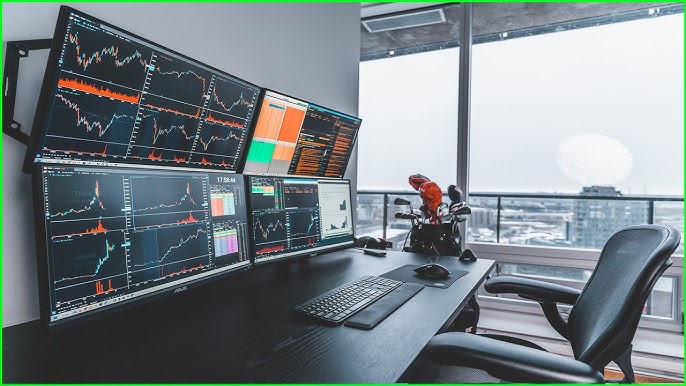
Modern trading has evolved far beyond the simple buy-and-sell interfaces of the past. Today’s traders operate in fast, information-dense markets, and they rely on platforms that can keep pace with shifting prices, growing asset classes, and increasingly sophisticated analysis.
The platform you choose becomes a core part of your edge—it shapes how you interpret data, how quickly you can act, and how confidently you can manage your risk. To build a strong toolkit, it’s essential to understand what truly defines a modern, capable, and trader-friendly platform.
Stability, Speed, and Truly Reliable Execution
When markets accelerate, opportunities can appear and disappear in seconds. A modern trading platform must be able to perform under pressure, offering stable execution even when volatility spikes or liquidity moves abruptly. Traders frequently highlight execution reliability as one of the most important factors in long-term performance. If your platform lags, freezes, or struggles during major events, even strong strategies can lose their effectiveness.
Execution speed is important, but so is execution consistency. Fast trades are meaningless if the platform cannot maintain the same performance during high-volume periods. A platform that continues to route orders efficiently while markets move quickly demonstrates the level of engineering that traders now expect. Speed, stability, and dependable performance together form the core of a trustworthy platform.
Real-Time Data That Reflects the True Market Picture
Market data is the lens through which traders see the world. Without accurate and up-to-date information, decision-making becomes a matter of guesswork. Real-time data should refresh smoothly, load charts instantly, and provide a true reflection of price movement. Traders who rely on technical analysis need data that flows without delay so they can recognise patterns, confirm signals, and track developing trends with precision.
A platform that delivers live pricing, responsive charting, and synchronised market updates allows traders to trust what they see on screen. This is especially important during major news releases or unexpected market shifts, where even slight delays can lead to misjudgment. Many seasoned traders describe reliable data feeds as non-negotiable—essential to the foundation of long-term success.
Charting and Analysis That Elevate Your Strategy
Modern trading is as much about understanding context as it is about placing trades. That’s why charting tools play such a central role. A platform’s charts should be clear, adaptable, and easy to navigate. Traders benefit from a balance of simplicity and depth: the interface should feel intuitive, but the features should allow for advanced analysis when needed.
Flexible Charts That Support Different Trading Styles
Every trader approaches the market differently. Some focus on short-term momentum, while others study longer-term swings or macro trends. A platform that supports multiple styles through flexible charting is far more valuable than one that limits your viewpoint. You should be able to adjust timeframes effortlessly, switch chart types without lag, and apply tools that help you interpret price action in a way that matches your approach.
Trendlines, zones, channels, and other annotations should feel easy to draw and modify. Smooth chart interaction helps traders stay immersed in their analysis rather than distracted by technical hurdles.
Indicator Tools That Provide Meaningful Insights
Indicators help traders interpret momentum, volatility, trend strength, and price dynamics. A modern platform should include a thoughtful library of indicators that cover the needs of both new and experienced traders. Just as importantly, these indicators should be customizable so that traders can fine-tune their settings according to their strategies.
Platforms that allow traders to save indicator combinations or build personalised layouts offer a streamlined workflow. Over time, this helps traders stay consistent in their approach and reduces the cognitive load involved in preparing charts each day.
Strong, Built-In Risk Management
Risk management is a defining characteristic of a skilled trader. Modern platforms recognise this and integrate tools that help traders manage exposure without relying solely on manual calculations. Being able to set stop-loss levels, take-profit levels, or trailing stops directly within the platform ensures that risk is controlled even when traders are not actively watching the screen.
Margin information should be easy to understand and visible at all times. Traders should know exactly how much buying power they have, how leverage affects their open positions, and whether market movements are approaching their risk limits. Clear, transparent risk visibility is a sign of a platform that prioritises trader safety and long-term sustainability.
Versatility for Multi-Asset Traders
Modern traders often explore multiple markets—forex, indices, commodities, equities, or CFDs. A platform that supports a wide range of assets gives traders more flexibility and more opportunities without needing to use multiple providers. A cohesive environment that handles different asset classes smoothly is much more efficient and far easier to manage.
Brokers like https://www.adss.com/ illustrate how to combine versatility with user-friendly design, offering access to multiple markets while still maintaining clarity and control.
Conclusion
The trading platform you choose shapes how you see the markets, how you execute trades, and how you manage risk. A powerful platform offers stability, clarity, depth of analysis, and thoughtful risk tools. It supports your strategy rather than standing in the way of it.
When your platform is reliable and designed with the trader’s workflow in mind, you make decisions with more confidence, greater precision, and fewer distractions.











Comments