
 By
By 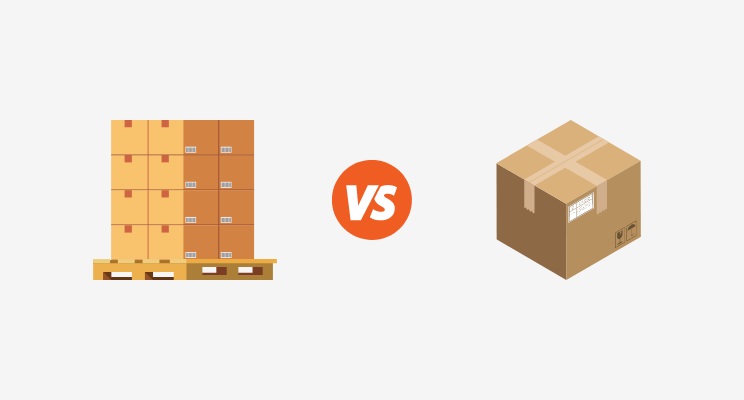
The ancient debate between Less-Than-Truckload (LTL) and group shipping has forever revolved around cost, adeptness, and order size. But in the contemporary digital-first management landscape, electronics is rewriting the rules. Advanced tools are no longer just upholding logistics—they are changing the way trades decide whether LTL or parcel transportation better serves their bottom line.
Read the article below to get more information to get the answer of “which should I pick ltl vs parcel”.
Data Analytics: Smarter Shipping Choices
In the past, businesses depended on static cost correspondences. Today, real-time analytics helps corporations compare and choose between LTL and parcel dynamically.
1. Route Optimization Tools
- Predict delays and desire faster delivery ways.
- Automatically compare transportation times for part vs. LTL.
2. Freight Cost Modeling
- Tracks average weight, dimensions, and goals.
- Reveals when parcel salaries surpass LTL costs on account of dimensional pressure.
3. Demand Forecasting
- Uses historical data to call shipment books.
- Aligns bulk LTL shipments accompanying seasonal pierces, reducing not-on-time parcel surcharges.
Impact: Businesses no longer guess—they use predictive insights to see when LTL or parcel will be more advantageous.
Automation in Fulfillment Centers
Automation has blurred the line between parcel and LTL shipments. Robotic schemes and AI-driven programs sort, package, and combine orders with unique efficiency.
1. Automated Sorting Systems
- Classify whether a package fits the parcel flags.
- Divert larger shipments straightforwardly to palletization for LTL.
2. AI-Driven Packing Software
- Calculates optimal wrap to avoid spatial weight fees in part.
- Groups orders for LTL consolidation when cost-effective.
3. Faster Turnaround Times
- Reduces errors and delays in both parcel and LTL transform.
Visibility Through IoT and Real-Time Tracking
One of the most generous concerns in the LTL vs. parcel debate is transparency. Historically, parcel presented better tracking while LTL was delayed. Technology has closed that breach.
1. IoT Devices on Freight
- Provide live location, temperature, and condition refurbishes.
- Enhance trust in LTL for dainty or high-value goods.
2. Platforms for tracking
- Consolidate both LTL and parcel data into an individual dashboard.
- Businesses monitor accomplishments side by side for quicker future decisions.
3. Customer Satisfaction
- Real-period updates humiliate customer service calls.
- Improves brand credibility through shipping patterns.
Digital Freight Marketplaces and APIs
Technology has democratized access to shippers. Businesses of all sizes can now instantaneously compare quotes and form shipping resolutions.
1. Freight Marketplaces
- Eliminates the need for traditional dealer negotiations.
2. API Integrations
- Connect eCommerce manifestos directly accompanying parcel and LTL carriers.
- Real-occasion pricing presented at checkout, offering consumers a choice.
3. Smaller Businesses Benefit
- Levels the playing field by bestowing SMBs access to most LTL rates.
Conclusion
Ultimately, the winners in this debate are the businesses that embody technology. By achieving so, they don’t just lower costs—they future-proof their shipping approach in a rapidly developing logistics experience.










Comments