
 By
By 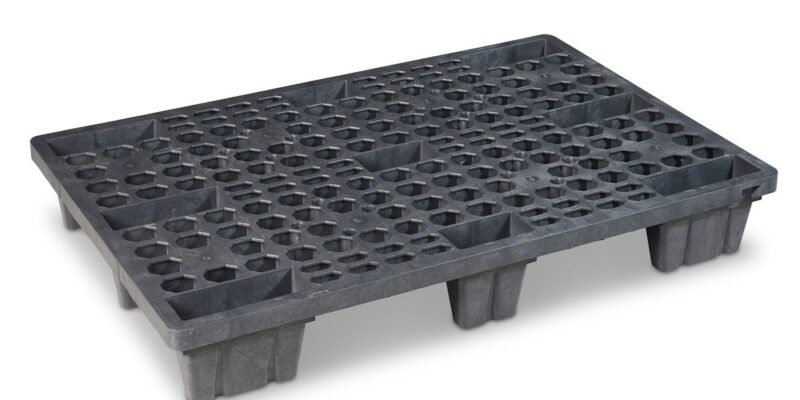
Efficient movement of goods depends on simple planning. Many operations rely on stable handling tools to move items safely. One such option is plastic pallets for sale, often chosen for durability and uniform design. These pallets support smoother transport across storage and delivery stages.
People searching for this topic usually want better control over loading, storage, and transport. They look for ways to reduce handling errors and delays. Without a clear structure, supply chains become slow and difficult to manage. Poor planning often leads to damaged goods and wasted time.
Structured Planning Over Guesswork In Logistics
Relying on instinct creates inconsistency. A structured method ensures repeatable results. Planning improves coordination between storage and transport stages. Clear systems reduce confusion across teams.
- Define pallet usage based on material type and weight
- Maintain standard sizes to support easy stacking across locations
- Assign fixed storage zones for quicker access during dispatch
- Use labelling systems to track pallet movement efficiently
- Schedule regular checks to avoid damage during repeated use
- Align transport timing with loading capacity to reduce waiting
- Ensure handling equipment matches pallet dimensions for safety
- Train workers on consistent placement and lifting practices
Load Stability Management Using Plastic Pallets
Stable loads prevent damage during transport. Plastic units offer flat surfaces for even weight distribution. This helps in stacking goods securely. However, uneven packing can still create imbalance during movement.
Warehouse Space Utilization Through Pallet Systems
Proper pallet use improves space management. Vertical stacking increases storage capacity. Organized layouts reduce unnecessary movement. Limited ceiling height can restrict stacking in smaller warehouses.
Transport Efficiency with Standardized Pallet Sizes
Standard sizes simplify loading into vehicles. It reduces the time spent adjusting arrangements. Transport becomes predictable and faster. The challenge appears when mixed pallet sizes disrupt uniform loading.
Inventory Control Supported by Pallet Tracking
Tracking pallets improves visibility across supply chains. Systems record movement and storage positions. This helps reduce loss and confusion. Still, manual tracking errors can affect accuracy in busy environments.
Cost Control Through Reusable Pallet Systems
Reusable pallets reduce long-term costs. Plastic units last longer compared to alternatives. Businesses using plastic pallets for sale often reduce replacement frequency. Initial cost can be higher, which may concern smaller operations.
Step by Step Execution Plan for Logistics
- Assess current storage and transport processes for gaps
- Select pallet type based on load and usage frequency
- Standardize pallet dimensions across all operational areas
- Implement a labelling system for tracking and identification
- Train staff on handling and stacking procedures
- Monitor movement to identify delays or inefficiencies
- Review damage reports to adjust handling methods
- Optimize layout regularly based on storage demand
Common Challenges in Logistics Planning
Many operations struggle due to a lack of consistency. Workers may follow different handling methods. Changing demand affects storage and transport plans. Poor communication between teams leads to delays. External factors such as supply variation also impact results.
Building Long Term Supply Chain Stability
Progress comes from regular testing and review. Small adjustments improve efficiency over time. Consistency in handling methods creates predictable outcomes. Teams that follow clear routines reduce errors. Stable systems support long term performance without major disruptions.Careful planning brings steady improvement in supply chains. Consistent execution matters more than quick changes. Structured use of pallets supports smooth operations when followed with discipline.







Comments