
 By
By 
From automotive and insurance to strength, construction, and production, virtual inspection forms are proving necessary. By reducing the need for tangible site visits, they preserve time, cut costs, and enhance veracity. While some industries can benefit from the best virtual inspection software, some sectors have experienced especially meaningful transformations.
1. Automotive Industry
The automotive sector has been one of the first adopters of virtual inspections. From vehicle damage estimates to warranty claims, check tools make processes faster and more consumer-friendly.
Key Benefits:
- Faster disaster damage assessments
- Reduced free time in fleet management
- Improved customer knowledge in sales and claims
2. Insurance Sector
Insurance associations are leveraging virtual inspections to streamline claims, refine, and reduce deceptive activities. Instead of sending adjusters physically to a site, policyholders can capture concepts or join a live video to demand real-time verification. This not only speeds up claims but also enables insurers to manage extreme claim volumes more capably.
Key Benefits:
- Shorter claim cycles
- Lower operational costs
- Enhanced deception detection through AI reasoning
3. Construction and Real Estate
Construction sites and real estate properties frequently require balanced inspections for progress monitoring, safety agreement, and property appraisal. Virtual inspection tools—containing drone-based policies—enable stakeholders to remotely view sites, lowering the need for frequent travel. Real estate professionals can still conduct virtual property tours and inspections for shoppers or investors in general.
Key Benefits:
- Remote project monitoring and agreement
- Improved safety with drone inspections of hard-to-reach extents
- Global accessibility for financiers and buyers
4. Manufacturing and Industrial Operations
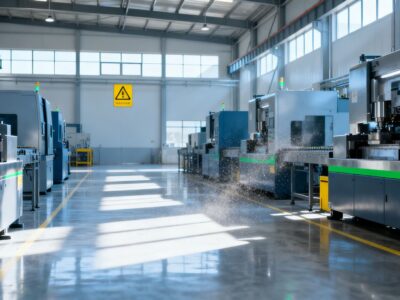
In manufacturing, control of product quality is crucial. Virtual check tools powered by AI and calculating vision are immediately used to detect defects in products, systems, and assembly lines.
Key Benefits:
- Consistent and scalable control of product quality
- Early defect detection to decrease waste
- Safer inspections in high-risk areas
5. Energy and Utilities
Energy associations, including those directing oil rigs, power lines, and wind turbines, count heavily on detached inspections. Sending human inspectors to these locations is often hazardous and costly. With drone-authorized and live-streaming tools, inspections may be done on a random basis while ensuring the security of workers.
Key Benefits:
- Safer evaluations in hazardous atmospheres
- Cost-effective monitoring of abundant infrastructures
- Faster issue detection and response occasions
6. Healthcare and Medical Equipment
Although still emerging, healthcare arrangements are beginning to use virtual check tools to check the healing equipment and ensure agreement with supervisory standards. Remote verification reduces spare time for hospitals and develops maintenance scheduling.
Key Benefits:
- Faster agreement checks
- Reduced equipment-free time
- Enhanced patient safety through proper maintenance
Conclusion
They provide faster, safer, and more correct ways to conduct evaluations, guaranteeing efficiency while reducing costs. As science continues to advance, more businesses will adopt these tools, making detached inspections the standard rather than the irregularity.









Comments