
 By
By 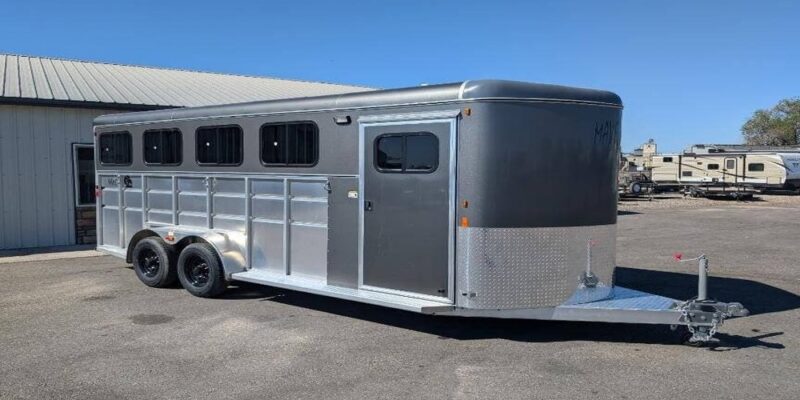
By Grizzly Trailer Sales | Trailer Buying Guides | Serving Rupert & Montpelier, ID
The price difference between a new trailer and a comparable used one can run anywhere from a few hundred dollars to several thousand. For farmers, contractors, and property owners across southern Idaho, that gap matters. But price alone is a poor way to make the call. Whether a used trailer is a smart buy or an expensive headache depends almost entirely on what you know to look for before you hand over the money. At Grizzly Trailer Sales, we carry both, and we think buyers deserve a clear picture of what they’re getting into either way.
The Case for Buying New
New trailers come with a clean history. No guessing about previous loads, no wondering whether the frame took a hard hit at some point, no mystery rust hiding under fresh paint. What you see is what you get, and what you get is rated, warranted, and built to current manufacturing standards.
Warranty coverage is a real advantage. Most new trailers from manufacturers like Teton Trailer, Snake River, and Dutton come with at least a one-year structural warranty, and some components carry longer coverage. That matters when you’re putting a trailer through hard use in Idaho’s varied terrain and weather. A hydraulic cylinder that fails on a dump trailer six months in costs real money if you’re absorbing it yourself.
Financing terms on new inventory are also generally more favorable. Lenders are more comfortable with known collateral, and promotional rates sometimes apply to new units that wouldn’t extend to used ones. If you’re financing the purchase, that difference in rate can close some of the gap between the sticker prices.
The honest downside is depreciation. A new trailer loses a meaningful percentage of its value the moment it leaves the lot. For a buyer who plans to own a trailer for ten or more years and run it hard, that initial hit matters less. For someone who might sell in three or four years, it’s worth factoring in.
Where Used Trailers Make Sense
A well-maintained used trailer bought at the right price is one of the better deals in the equipment world. Trailers don’t have engines. There’s no transmission to rebuild, no timing belt to replace, no computer to reprogram. The mechanical systems are relatively simple, which means a trailer that’s been looked after tends to stay in solid condition for a long time.
The value case for used is straightforward. A three-year-old enclosed cargo trailer with 15,000 miles of light use will perform identically to a new one at a fraction of the price. The same logic applies to a deckover or a bumper-pull dump trailer that spent its life on a small farm operation rather than a commercial construction site.
Used trailers also offer the opportunity to buy more capacity than you could afford new. If your budget is $6,000, the new trailer options at that price point are limited. That same budget in the used market might get you a larger tandem axle unit with features that a new single-axle trailer at the same price doesn’t include.
The risk, obviously, is condition. Used trailers can carry problems that aren’t visible without a careful inspection. That’s where most buyers either protect themselves or set themselves up for regret.
How to Inspect a Used Trailer Before You Buy
A used trailer inspection doesn’t require a mechanic’s background. It requires slowing down and looking at things most people rush past.
Frame and Welds
Get underneath or at least get low enough to see the frame rails and crossmembers. Look for cracks, repairs, or signs of bending. A frame that’s been straightened after a hard impact is a red flag. Check the welds at high-stress points, particularly around the tongue, the axle mounts, and any gooseneck neck if applicable. Clean, consistent welds suggest quality construction. Spatter-heavy or inconsistent welds on a used trailer are a reason to keep looking.
Axles, Tires, and Brakes
Spin each wheel by hand and listen for bearing noise. A grinding or rumbling sound means the bearings need attention, which is a manageable repair but a negotiating point. Check tire sidewalls for cracking, which is more common on trailers that sit for extended periods than on ones that run regularly. Uneven tread wear across a tandem axle pair suggests an alignment or suspension issue.
On trailers equipped with electric brakes, verify they actually work. A basic brake controller test will tell you whether the magnets are engaging. Trailer brakes that haven’t been used in a season sometimes corrode to the point of being non-functional, and replacing brake assemblies on a tandem axle trailer is a few hundred dollars minimum.
Floor and Decking
Stand on the floor and feel for soft spots. On enclosed trailers and flatbeds with wood decking, soft spots usually mean moisture damage underneath. On steel floors, look for rust through, not just surface oxidation. A rusted-through floor on a dump trailer or flatbed affects structural integrity and load rating. Repairs are possible but cost real money.
Lights and Wiring
Plug the trailer into a truck and walk around it. Every light should work: running lights, brake lights, turn signals, and clearance lights if present. Wiring problems on older trailers are common and range from a simple connector swap to a full rewire. Knowing what you’re dealing with before purchase means you can price the repair into your offer.
Doors, Ramps, and Hardware
Open and close every door. Rear ramp doors should sit flush when closed and latch cleanly. Side doors should swing without binding. On enclosed trailers, check the door seals for cracking or gaps. A trailer that leaks water around the doors will damage any moisture-sensitive cargo. Inspect ramps for cracks, bends, and the condition of the safety chains or cables that hold them in the stowed position.
How Grizzly Trailer Sales Approaches Used Inventory
Every used trailer that comes onto our lot at Grizzly Trailer Sales goes through an evaluation before it’s priced and listed. We’re not running an auction service or moving units sight unseen. We’re a dealership with two Idaho locations and a reputation that depends on buyers coming back, which means we have a direct interest in not selling someone a problem they didn’t sign up for.
That said, we’ll always walk you through a used trailer honestly. If there’s a repair that’s been made, we’ll tell you. If there’s cosmetic wear that’s age-appropriate and not a structural concern, we’ll point it out. Used trailers aren’t perfect, and we don’t pretend they are. What we can tell you is what we’ve seen on the unit and what we’d be comfortable representing to a buyer.
If you’re unsure about a specific used unit, bring someone with equipment experience or ask us questions. The more you know going in, the better the purchase tends to work out.
Ready to Compare Options at Grizzly Trailer Sales?
Both sides of the lot have real value depending on what you need and what your budget looks like. New trailers offer warranty coverage, clean history, and current specs. Used trailers offer price flexibility and the chance to buy more capacity for the same money, provided you do your homework.
Grizzly Trailer Sales carries new and used inventory at locations in Rupert and Montpelier, Idaho. Browse what’s currently available on our website or come see the units in person. Our staff can pull the details on any used trailer and help you compare it against the new options in the same category. Call our Rupert office at 208-678-2981 or stop by either location to get started.









Comments