
 By
By 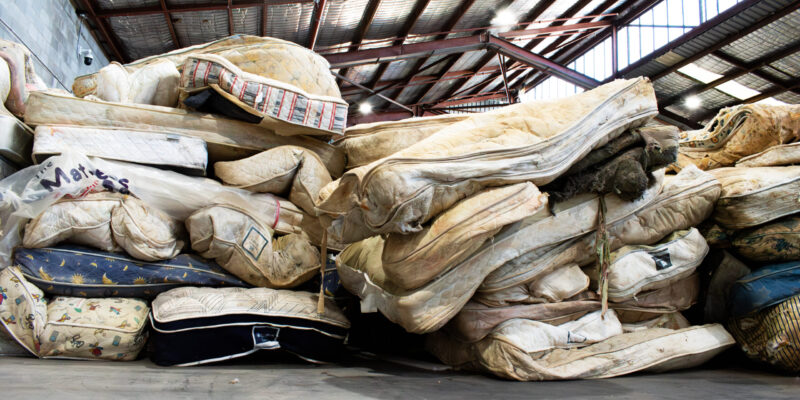
As environmental awareness continues to grow, more people are paying attention to how everyday items are disposed of. Mattresses, in particular, are often overlooked when it comes to responsible waste management. Due to their size and materials, they can take up significant space in landfills and take years to break down. Mattress recycling has become an essential solution for reducing waste and supporting sustainable practices.
By choosing recycling over disposal, individuals can contribute to a cleaner environment and more efficient use of resources.
The Environmental Impact of Discarded Mattresses
Millions of mattresses are discarded each year, and most of them end up in landfills. Because mattresses are made from a combination of materials such as foam, metal springs, and fabric, they do not decompose easily. This leads to long-term environmental challenges.
Bulky waste also takes up valuable landfill space, making waste management more difficult. In some cases, improperly disposed mattresses can contribute to pollution and health concerns.
Reducing landfill waste through recycling helps address these issues and supports more sustainable waste management practices.
What Happens During Mattress Recycling
Mattress recycling involves breaking down the product into its individual components so that materials can be reused or repurposed. Metal springs can be melted and reused, foam can be processed for insulation or cushioning products, and fabrics can be recycled into industrial materials.
The recycling process requires specialized facilities and equipment to ensure that materials are separated efficiently. This structured approach allows valuable resources to be recovered instead of being wasted.
Recycling transforms what would be discarded into useful materials for other industries.
Benefits of Mattress Recycling
One of the biggest benefits of recycling is reducing environmental impact. By diverting mattresses from landfills, recycling helps conserve space and minimize waste buildup. It also reduces the need for raw materials, as recycled components can be used in manufacturing new products.
Another advantage is energy conservation. Producing materials from recycled components often requires less energy than creating them from raw resources.
Recycling also supports local economies by creating jobs in collection, processing, and manufacturing.
Challenges in Mattress Disposal
Many people are unsure how to dispose of mattresses properly. Traditional waste collection services may not always accept large items, and improper disposal can lead to environmental issues.
Transporting mattresses to appropriate facilities can also be inconvenient without proper services in place. This lack of awareness and accessibility often results in mattresses being discarded improperly.
Educating individuals about recycling options is essential for improving waste management practices.
Choosing Responsible Recycling Services
Selecting a reliable recycling service ensures that mattresses are handled correctly and processed in an environmentally responsible way. Professional recycling organizations follow structured processes that maximize material recovery while minimizing environmental impact.
For individuals looking for responsible disposal options, Recyc-Matelas Canada provides information about recycling initiatives designed to reduce mattress waste and promote sustainability.
Working with specialized services helps ensure that discarded items are managed effectively.
The Role of Individuals in Sustainable Practices
Sustainability begins with individual actions. Choosing to recycle instead of discard is a simple yet impactful decision. By supporting recycling programs and spreading awareness, individuals can contribute to reducing waste and protecting natural resources.
Small changes in everyday habits can lead to significant environmental benefits over time.
Responsible disposal practices play an important role in building a sustainable future.
The Future of Waste Management
As environmental concerns continue to grow, recycling systems are expected to become more advanced and accessible. Innovations in waste processing and material recovery will improve efficiency and expand recycling capabilities.
Public awareness and government initiatives will also play a role in encouraging responsible disposal practices. Mattress recycling is one example of how targeted solutions can address specific waste challenges.
The future of waste management depends on collaboration between individuals, businesses, and communities.
Final Thoughts
Mattress recycling is an important step toward reducing waste and promoting sustainability. By understanding the environmental impact of discarded mattresses and choosing responsible recycling options, individuals can make a positive contribution to the environment.
Through awareness, proper disposal, and support for recycling programs, it is possible to reduce landfill waste and create a more sustainable future for generations to come.











Comments