
 By
By 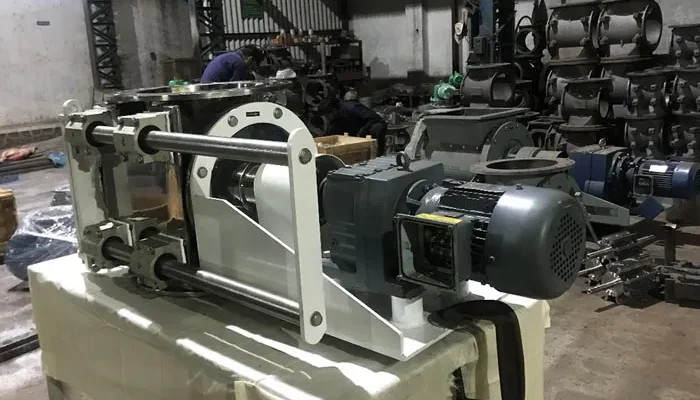
Efficient bulk processing depends on dependable material transfer control. Factories handling powders require stable pressure and regulated flow. Industrial plants frequently rely on a rotary airlock valve during conveying. Reliable sealing helps maintain airflow balance across equipment sections.
Consistent Material Transfer Under Controlled Pressure
Efficient industrial conveying depends on dependable discharge equipment. Stable pressure conditions prevent airflow disruption during bulk transfer operations. Rotary mechanisms maintain separation between feeding zones and pipelines.
- Maintains airflow balance within pneumatic conveying lines
- Controls bulk material discharge through rotating pockets
- Prevents pressure leakage between connected process chambers
- Supports steady feed rates during production cycles
Reliable discharge equipment improves system reliability throughout manufacturing operations. Consistent feeding reduces stress on upstream and downstream machinery. Stable flow strengthens plant productivity across demanding processing conditions.
Design Advantages Supporting Industrial Conveying Systems
Industrial engineers prioritize durable components when selecting conveying equipment. Precision-machined rotors help maintain consistent rotation and reliable feeding. Carefully engineered housings protect components from abrasion and leakage.
- Precision rotor pockets meter granular discharge accurately
- Heavy-duty housing withstands abrasive industrial materials
- Tight internal clearances minimize air leakage effectively
- Durable bearings support continuous rotational operation
Mechanical strength improves durability during continuous material handling tasks. Quality construction reduces maintenance interruptions and component replacement frequency. Strong designs allow plants to operate longer without unplanned shutdowns.
How Does Pressure Isolation Improve System Efficiency?
Pressure separation plays an essential role during pneumatic conveying. Processing systems often operate under positive or negative pressure. Equipment preventing airflow disruption preserves consistent material movement. A rotary airlock valve maintains sealed separation between connected chambers. This barrier allows materials to pass without pressure losses. Stable pressure conditions improve conveying reliability across industrial pipelines.
Protecting Equipment From Blockage And System Wear
Material handling systems frequently encounter dust, powders, and pellets. Poor discharge control may lead to build up inside transfer equipment. Controlled feeding helps maintain predictable system behavior across operations.
- Prevents pipeline blockage from uncontrolled material accumulation
- Reduces equipment wear during continuous abrasive material transfer
- Maintains consistent feeding into pneumatic conveying pipelines
- Supports smoother startup during heavy production loads
Predictable feeding minimizes operational disruptions across production environments. Reduced buildup decreases cleaning requirements and maintenance downtime. Efficient transfer improves long-term reliability for conveying systems.
Why Do Industrial Plants Prefer Rotary Feeding Systems?
Manufacturing plants value dependable equipment during continuous production schedules. Consistent feeding allows processing equipment to maintain predictable throughput. Operators prefer systems that simplify operation while maintaining safety. Rotary feeding mechanisms deliver stable discharge without complicated control systems. Reliable feeding supports balanced performance across mills, dryers, and conveyors.
Can Airlock Valves Improve Dust Control Performance?
Dust management remains critical across powder processing industries. Uncontrolled airflow may release particles into surrounding environments. Equipment sealing capabilities help reduce unwanted particle escape. Airlock mechanisms maintain isolation between high-pressure and low-pressure zones. Stable sealing improves containment during continuous bulk material discharge.
Integration Across Diverse Industrial Processing Lines
Granular material movement occurs across multiple industrial sectors. Food processing plants transport grains, sugar, and powdered ingredients. Cement operations handle fine particles requiring controlled discharge points. Chemical production facilities depend on consistent feeding into reactors. Efficient airlock integration ensures dependable operation throughout interconnected processing equipment.
Reliable Flow Supporting Continuous Production Demands
Industrial productivity depends heavily on uninterrupted material movement. Consistent discharge equipment ensures stable feeding throughout demanding processes. Reliable mechanical systems protect equipment from pressure imbalance. Effective design supports safe handling of powders and pellets. Controlled transfer ultimately strengthens efficiency across modern industrial production environments.











Comments