
 By
By 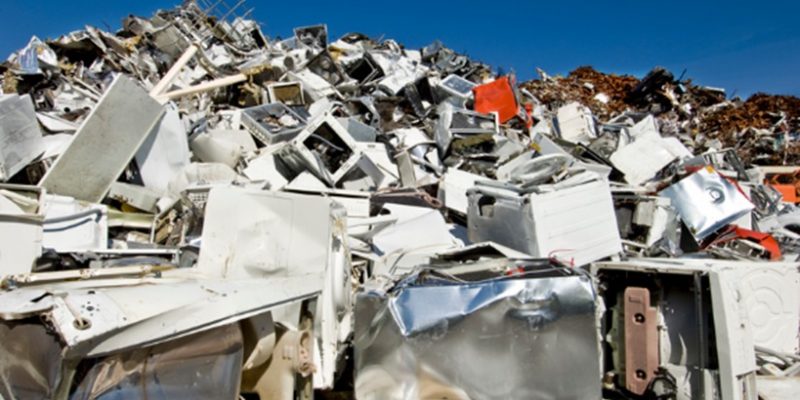
Selling scrap metal can be a profitable and environmentally responsible decision, especially when you understand how the process works. Whether you’re clearing out old appliances, leftover construction materials, or outdated equipment, knowing where and how to sell your metal is crucial to maximizing its value. If you’re located in Georgia, it’s worth considering a scrap yard in Dalton due to its accessibility and competitive pricing.
Before making your first trip, it’s helpful to understand what materials are in demand, how they’re classified, and how scrap yards determine pricing. Being informed not only saves time but also ensures you’re treated fairly throughout the transaction.
Understanding Scrap Metal Types
Scrap metal generally falls into two categories: ferrous and non-ferrous. Ferrous metals contain iron and are magnetic—think appliances, steel beams, and old vehicles. Non-ferrous metals, like copper, aluminum, brass, and stainless steel, tend to fetch higher prices because they’re less common and more valuable in industrial reuse.
Yards often have separate areas or containers for different metal types, so sorting your load beforehand can streamline the process and help you receive accurate pricing. Additionally, most facilities will require a government-issued ID and documentation if you’re selling larger volumes, especially from commercial jobs.
How Pricing Works
Metal pricing is influenced by global commodity markets, local demand, and the cleanliness of the material. Clean, sorted metal—meaning it’s free from insulation, rubber, or attached components—usually earns a better rate. Timing your sale when demand is high can further increase your return.
It’s not uncommon for sellers to compare a few local yards before choosing one. While researching prices and services, many people learn that bulk metal recycling is not just about offloading material—it’s about turning what would be waste into a recoverable asset.
Preparing for Drop-Off
If you’re planning to bring in scrap yourself, organize your materials beforehand. Remove any non-metallic parts and separate ferrous from non-ferrous metals. This preparation helps ensure accurate weight classification and reduces the time spent in the yard. Also, bring any necessary identification, as most facilities require verification before buying scrap.
For businesses or contractors, working with a professional scrap metal collection service can be more efficient. These services provide pickup, sorting, and direct transport to the yard, saving time and reducing logistical headaches. Professionals understand how to properly handle and transport heavy or hazardous metals, ensuring safety and compliance with local regulations.
Benefits of Using a Local Scrap Yard
Choosing a local yard offers convenience, faster service, and better support for large or recurring jobs. In areas like Dalton, where industrial and construction activities are frequent, these facilities are well-equipped to handle high volumes and various metal grades. Local yards are also more likely to offer flexible drop-off times and better customer service.
Conclusion
Getting started with selling scrap metal is simpler than it may seem. Knowing the types of metal, understanding how prices are set, and choosing a reliable location, like a scrap yard, can turn unused materials into money. When you’re informed and organized, the process becomes efficient and worthwhile. Selling scrap isn’t just a transaction—it’s a step toward more sustainable and conscious material usage.









Comments